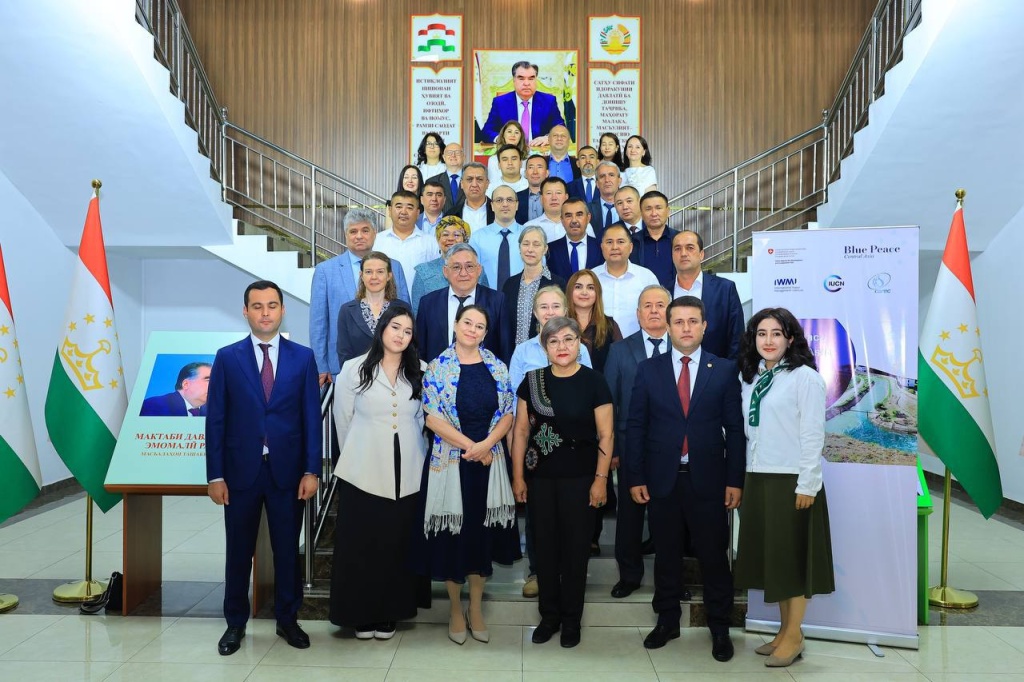
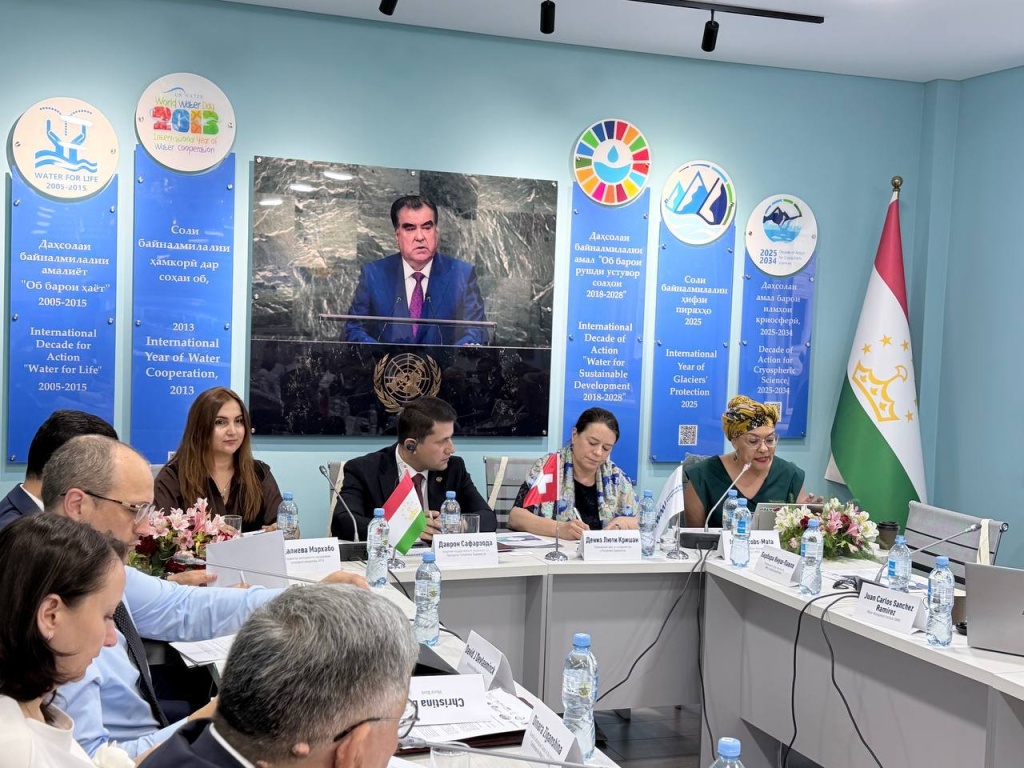
Organized within the framework of the Blue Peace Central Asia (BPCA) initiative, funded by the Swiss Agency for Development and Cooperation (SDC) and implemented by the International Water Management Institute (IWMI) in partnership with the International Union for Conservation of Nature (IUCN) and the Central Asia Regional Environmental Centre (CAREC), the seminar took place on 23 May 2026 and provided a platform for participants to explore how international legal frameworks can help address regional water challenges through cooperation and dialogue.
Opening the event, partners highlighted the importance of strengthening institutional capacity and fostering practical collaboration to address the increasingly complex challenges facing transboundary water governance.
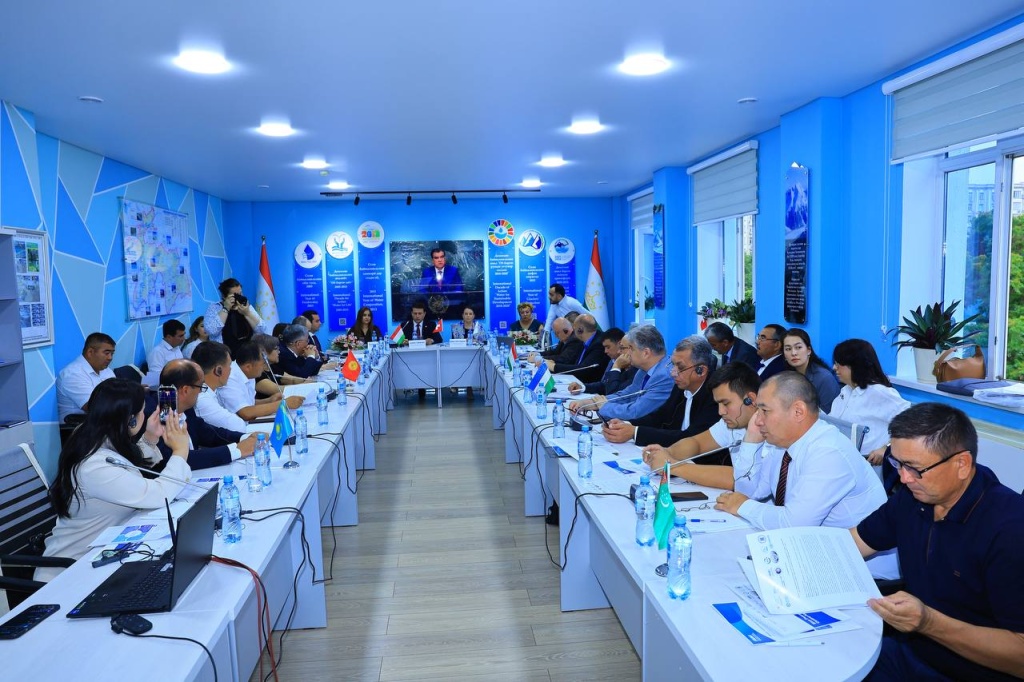
The seminar focused on international legal instruments, including the 1997 UN Watercourses Convention and the 1992 Water Convention, as well as broader environmental agreements relevant to water governance, climate resilience, biodiversity conservation, and combating desertification. Participants discussed how these frameworks can support countries in managing shared water resources more effectively while promoting trust and regional stability.
Throughout the day, experts presented regional case studies demonstrating practical approaches to transboundary cooperation. Discussions covered flood risk management, mountain ecosystems, modernization of water infrastructure, groundwater governance, and ecosystem degradation. These examples showcased how countries across Central Asia are already working together to address shared challenges while identifying opportunities for deeper collaboration.
A key feature of the seminar was the interactive group work sessions, where participants examined practical mechanisms under international water law, including information sharing, notification procedures, institutional cooperation, and dispute prevention. The discussions allowed participants to exchange experiences, identify good practices, and explore concrete tools that can strengthen basin-wide cooperation.
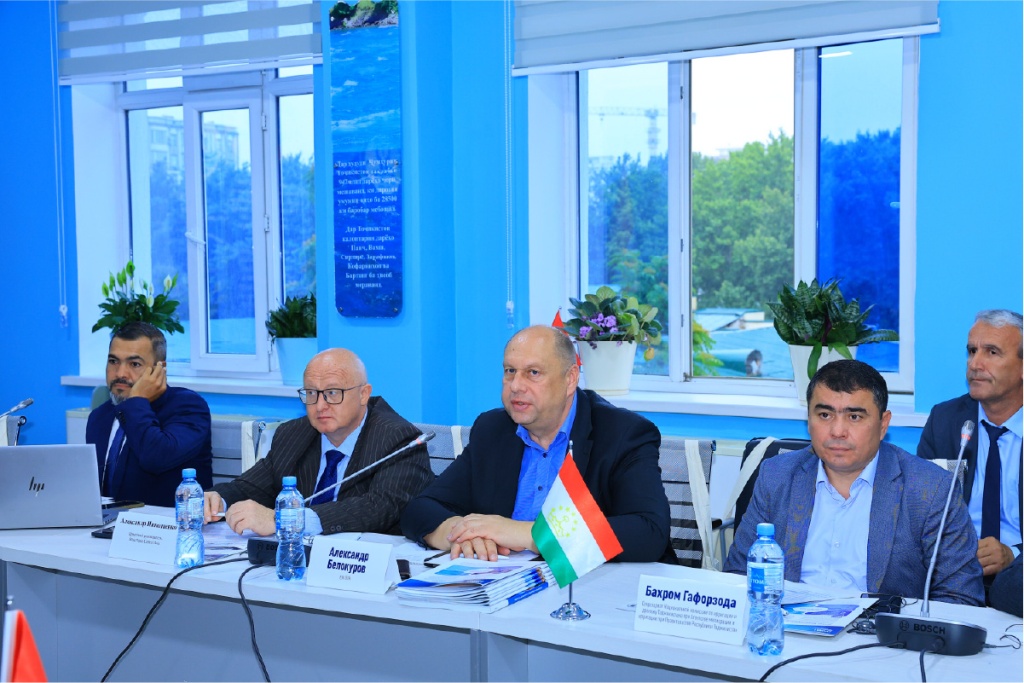
Beyond technical discussions, the event reinforced a broader message: effective transboundary water cooperation depends not only on infrastructure and data, but also on strong institutions, shared understanding, and a commitment to collaborative governance.
The seminar served as a preparatory event for the regional forum "Frontiers of Transboundary Cooperation: Tools and Actions for Sustainable Water Management," contributing to the objectives of the Dushanbe Water Process and supporting broader efforts toward the UN Water Conference 2026 and future global water dialogues.
By strengthening knowledge, fostering dialogue, and building networks among water professionals, the Blue Peace Central Asia initiative continues to support practical solutions that advance water security, climate resilience, and regional cooperation across Central Asia.