
.jpg "16 07 (1).jpg")
Over five days in early July, a team of experts of Blue Peace Central Asia project travelled the length of the Isfara River Basin - from Osh and Batken in the Kyrgyz Republic, through Isfara city and Khujand in Tajikistan, to Besharyk district and Fergana in Uzbekistan. The mission, conducted on 5-9 July 2026, marked the first basin-wide field assessment under Pillar 2 of the Blue Peace Central Asia (BPCA) initiative, which strengthens cooperation on small transboundary rivers through basin-level governance and investment-oriented planning.
The Isfara, a small but vital tributary rising in the mountains of the Kyrgyz Republic and flowing through Tajikistan into Uzbekistan's Fergana region, was designated as BPCA's first pilot basin in line with the Protocol of the second meeting of the Joint Kyrgyz-Tajik Commission on Water Issues. The choice reflects the basin's significance for transboundary cooperation, its vulnerability to climate change, and its potential for a step-by-step transition towards more systematic basin planning.
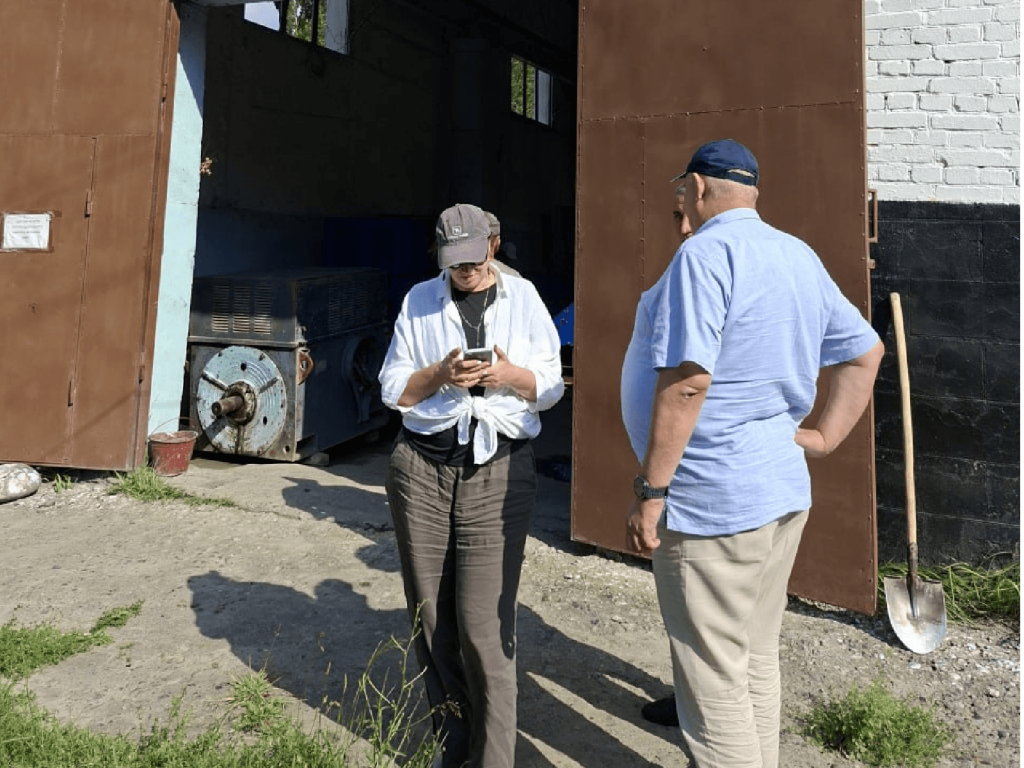
Kyrgyz Republic, 5-7 July. The field visit started from Osh and Batken, where the team met with basin, regional, and local water management organizations to discuss water resources management, infrastructure, data exchange, and prospects for further cooperation in the upstream part of the basin.
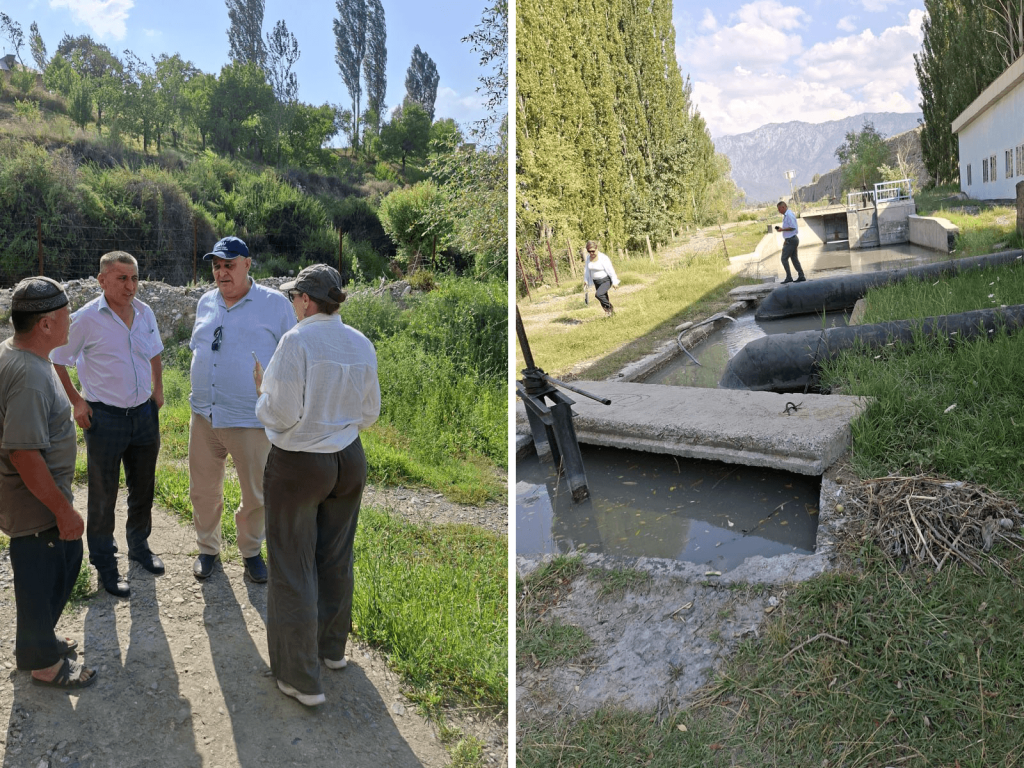
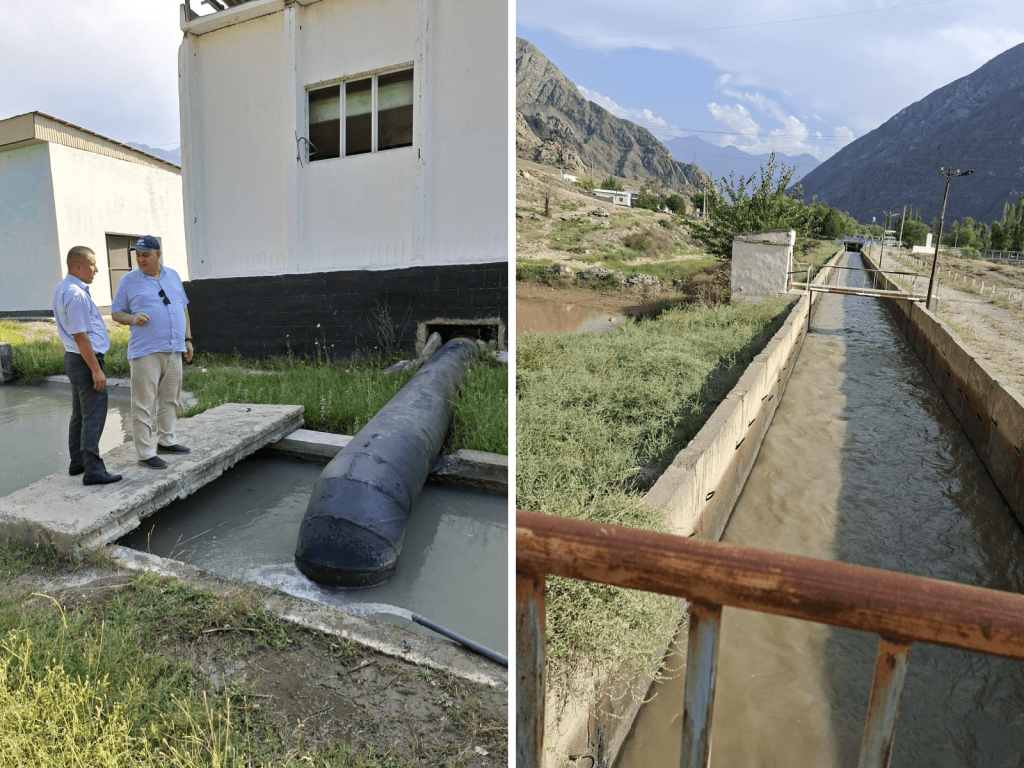
Tajikistan, 7-8 July. In Isfara city and Khujand, the experts held consultations with district, basin, and territorial water management structures and visited water infrastructure sites, including hydrological posts, the monitoring points whose data underpin any future joint management of the river.
.jpg "16 07 (3).jpg")
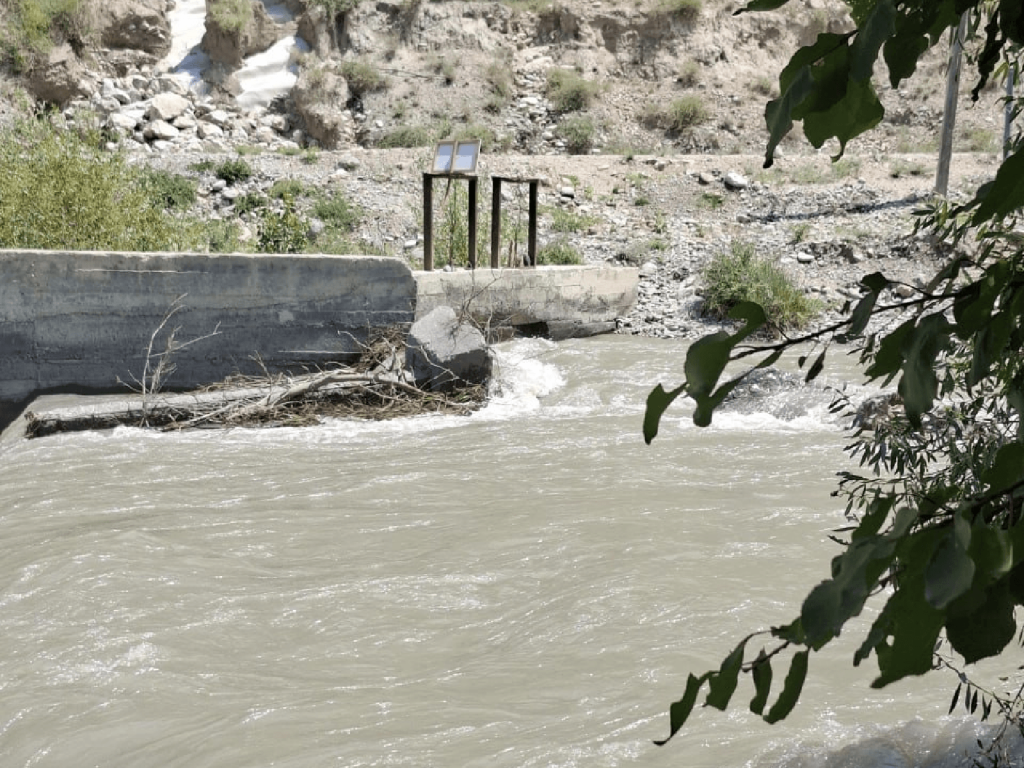
Uzbekistan, 8-9 July. The final visit, organized with the support of the Ministry of Water Resources of the Republic of Uzbekistan, took the team to Besharyk district for meetings with district water management organizations, and to Fergana city for discussions with the Basin Irrigation Systems Authority (BUIS) and regional water structures on data, infrastructure, local capacity, and practical directions for cooperation.
.jpg "16 07 (9).jpg")
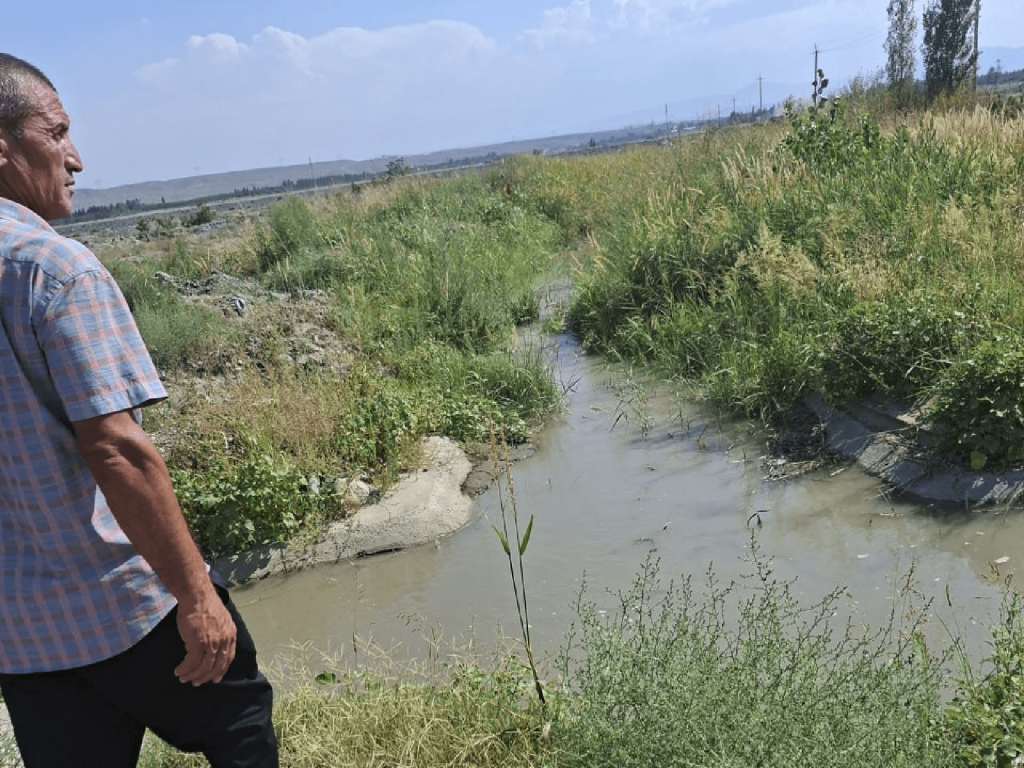
The expert group was led by Dr. Iskandar Abdullaev, Senior Researcher at IWMI, joined across the three countries by Aziz Khaidarov, Marhabo Yodalieva, Kasiet Musabaeva, and Ekaterina Strikeleva.
From assessment to action
The consultations and site visits will feed into a comprehensive basin assessment: mapping governance structures, technical needs, water infrastructure, and opportunities for joint action across the Kyrgyz, Tajik, and Uzbek parts of the basin. This assessment will shape the pilot activities and financing plans to be developed under the initiative, with a focus on measures that deliver tangible benefits to communities on all sides of the border.
For BPCA project, small transboundary tributaries like the Isfara are where regional water diplomacy becomes tangible: the place where agreements between capitals must translate into reliable water for farms, communities, and ecosystems along the entire river. By starting with listening, to the people who manage and depend on the Isfara every day, the initiative is laying the groundwork for cooperation that lasts.
The Blue Peace Central Asia project is funded by the Swiss Agency for Development and Cooperation (SDC) and implemented by IWMI and IUCN in partnership with CAREC. Pillar 2 of the initiative strengthens cooperation on small transboundary rivers through basin governance and investment-oriented measures.