
The Blue Peace Central Asia (BPCA) initiative has officially entered a new phase, marking a renewed commitment to regional water cooperation and sustainable resource management. The milestone was marked with the signing of Memoranda of Understanding (MoUs) between the Swiss Confederation and the governments of Uzbekistan and Tajikistan during high-level events held in Tashkent and Dushanbe.
The MoUs were signed by Daler Juma, Minister of Energy and Water Resources of the Republic of Tajikistan, Shavkat Khamrayev, Minister of Water Resources of the Republic of Uzbekistan, Ambassador Christian Frutiger, Assistant Director General and Head of Global Cooperation at the Swiss Agency for Development and Cooperation (SDC). Discussions are underway to establish Memoranda of Understanding with Kyrgyzstan, Kazakhstan, and Turkmenistan, reflecting BPCA’s comprehensive regional engagement.
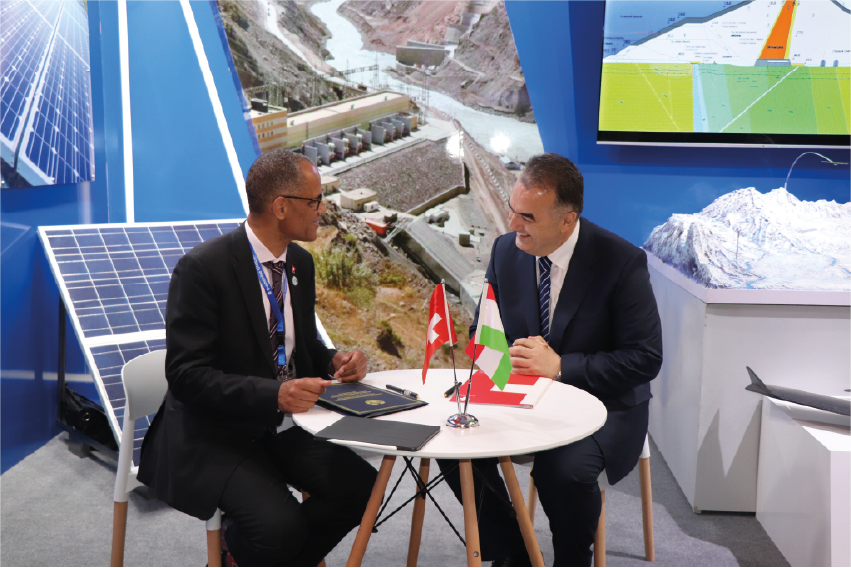
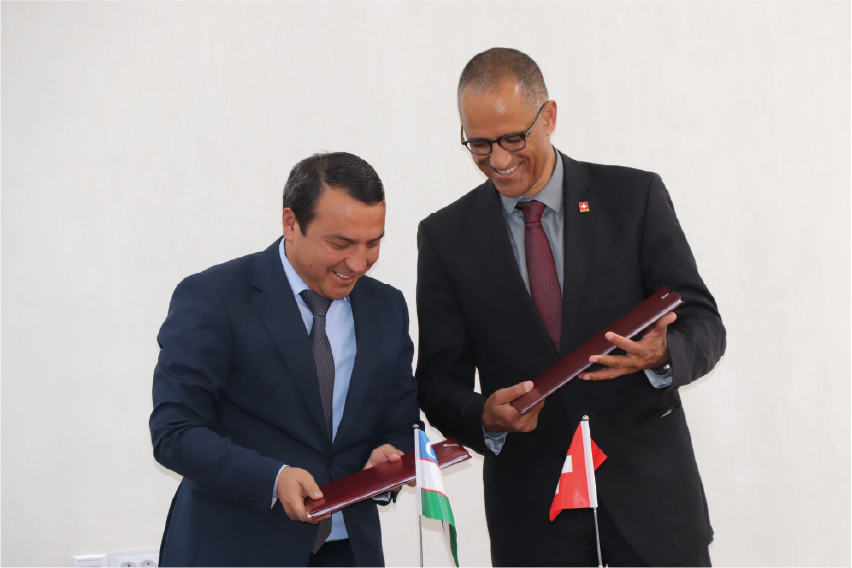
These agreements reaffirm Switzerland’s enduring partnership with Central Asian countries under the BPCA framework, which has been active in the region since 2017.
A Regional Effort for Shared Water Security
BPCA is a flagship initiative of the Swiss Agency for Development and Cooperation (SDC), implemented by the International Water Management Institute (IWMI) in partnership with the International Union for Conservation of Nature (IUCN) and the Regional Environmental Centre for Central Asia (CAREC). The initiative will run from May 2025 to the end of 2029, focusing on transforming water from a source of potential tension into a driver of trust, stability, and joint development.
Central Asia faces mounting challenges in water resource management due to climate change, glacier retreat, population growth, and rising demand. The region’s major rivers - the Amu Darya and Syr Darya - flow across national borders, making interstate cooperation essential for equitable and sustainable water use.
Strategic Pillars of BPCA
The new phase of BPCA is structured around three strategic pillars:
· Hydro-Diplomacy: Strengthening regional and bilateral policy dialogue through science-informed platforms, enhancing trust and coordination among Central Asian states.
Gender equality and youth inclusion are cross-cutting themes integrated across all BPCA activities, ensuring that regional cooperation efforts are inclusive, participatory, and forward-looking.
Turning Ideas into Impacts
Expanding Regional Collaboration
In parallel, BPCA continues to support platforms for technical coordination among Tajikistan, Uzbekistan, and Kazakhstan, such as Ministers’ Working Meeting held in Khujand in August 2025. That meeting advanced dialogue on the shared operation of the Bahri Tojik reservoir, emphasizing transparent monitoring and cooperative management - a testament to the spirit of Blue Peace in action.
Investing in the Future
The initiative places strong emphasis on human capital development. Through partnerships with leading universities, BPCA will launch a regional Master’s program, support youth hackathons, and strengthen women’s networks in the water sector. These efforts aim to cultivate a diverse and skilled community of water professionals across Central Asia.
A Vision for Peace and Sustainability
By aligning with existing regional structures and fostering inclusive cooperation, Blue Peace Central Asia provides a comprehensive framework for climate-resilient and peaceful water governance. The initiative addresses both environmental and socio-economic challenges while strengthening regional trust and long-term stability.
As a part of the broader Global Blue Peace Initiative, BPCA contributes to advancing water diplomacy and peacebuilding worldwide, linking Central Asia’s efforts with global actions to promote dialogue, sustainability, and shared prosperity.